
Digital marketing thrives on efficiency and precision. CRM platforms make that possible.
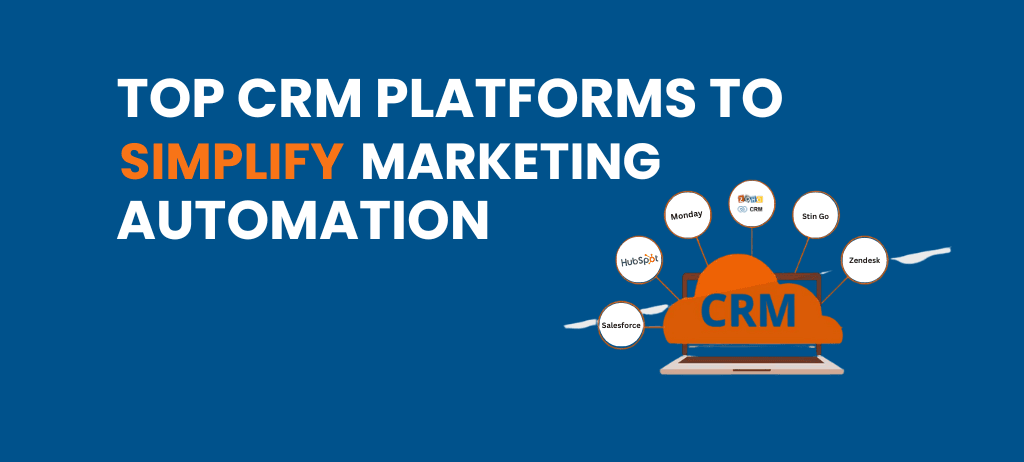
Several CRM platforms are widely recognized for their digital marketing automation capabilities. HubSpot is often preferred for its all-in-one marketing tools and beginner-friendly interface. Active campaign offers advanced automation features and flexible workflows, making it a strong choice for growing businesses. For B2B marketing, Salesforce Pardot is known for handling complex campaigns and lead management. Other reliable options include Zoho CRM, which supports marketing integrations and campaign tracking, and Freshsales, appreciated for its simple setup and built-in automation tools. These platforms help businesses automate tasks, manage leads, and improve marketing performance efficiently. With the right digital marketing agency, your automation journey can be more easier.
Top CRM Platforms
Your digital marketing automation can be transformed with the right CRM platform. These platforms streamline processes and enhance customer engagement strategies. They also offer multi-channel marketing features that boost your campaigns. We’ll take a look at the leading CRM platforms and emerging players in this market to help you make an informed decision.
Leading Options
Salesforce is one of the top contenders. It’s known for its comprehensive CRM software solutions. It offers features like lead management and analytics that enhance customer engagement strategies. Businesses can leverage its multi-channel marketing capabilities to reach audiences across different platforms.
HubSpot is another leading option. It provides an all-in-one CRM and marketing automation platform. It includes tools for email marketing, social media, and SEO. HubSpot’s user-friendly interface makes it accessible for businesses of all sizes.
Here’s a quick comparison:
| CRM Platform | Key Features |
| Salesforce | Lead management, Analytics, Multi-channel marketing |
| HubSpot | Email marketing, Social media tools, SEO features |
Emerging Players
CRM platforms with innovative approaches and unique features are making an impact in digital marketing automation.
Zoho CRM is gaining popularity among businesses. It’s affordable and offers a suite of digital marketing tools. Zoho CRM supports multi-channel marketing, allowing businesses to engage customers through email, social media, and more.
Freshsales is another rising star. It offers advanced CRM software features at competitive pricing. Freshsales provides tools for lead scoring and customer segmentation. These features help businesses refine their customer engagement strategies.
Here’s a brief overview:
- Zoho CRM: Affordable, Multi-channel marketing, Email and social media integration
- Freshsales: Lead scoring, Customer segmentation, Competitive pricing
These emerging players offer promising alternatives for businesses seeking innovative digital marketing tools.
Key Features To Consider
Choosing the right CRM platform for digital marketing automation can transform your business. A CRM with the right features helps manage customer relationships effectively. It also boosts productivity and enhances customer satisfaction. When selecting a CRM, certain key features stand out. These features ensure that your marketing efforts are streamlined and efficient. Let’s explore the essential features to consider for the best CRM platforms.
Automation Capabilities
The key to effective digital marketing is automation. CRMs with strong automation capabilities can save time and reduce errors. They enable you to manage repetitive tasks with ease. Here are some of the most important automation features you need to look for:
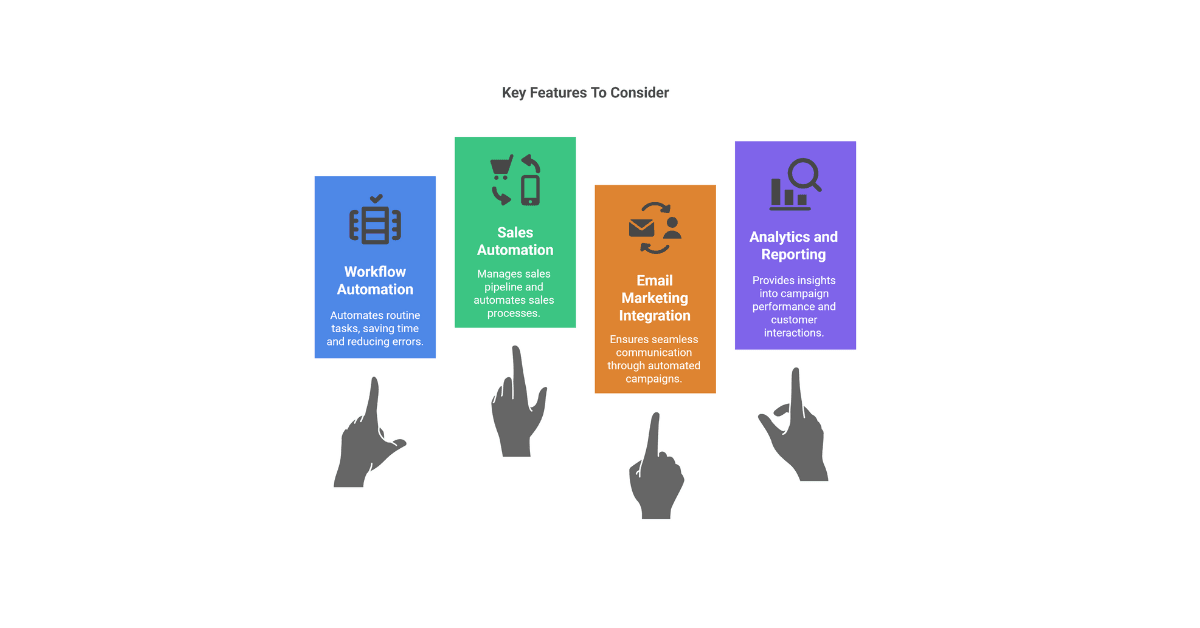
- Workflow Automation: Automates routine tasks like sending follow-up emails and updating customer records.
- Sales Automation: Manages the sales pipeline, tracks leads, and automates sales processes.
- Email Marketing Integration: Ensures seamless communication with customers through automated email campaigns.
- Analytics And Reporting: Provides insights into campaign performance and customer interactions.
The user-friendly dashboard features of a CRM will allow even non-technical users to use automation features. The ability to customize automation rules based on your specific needs is also important. Customization allows customers to interact with you in a more personalized way.
Integration Options
Integration options determine how well a CRM works with other tools in your marketing stack. A CRM should easily integrate with essential tools to enhance functionality. Here are some integration features to consider:
- Email Marketing Integration: Connects with email marketing platforms for synchronized campaigns.
- Customer Relationship Management: Integrates with other CRM tools for a holistic customer view.
- Analytics And Reporting: Links with analytics tools to track performance metrics and generate reports.
Check if the CRM supports popular third-party applications and offers API access for custom integrations with other software. An integration ecosystem ensures the CRM can adapt to changing business needs. It includes social media platforms, e-commerce platforms, and customer support tools. Seamless integration reduces data silos and improves efficiency.
Choosing a CRM with comprehensive integration options ensures that all your marketing tools work together smoothly. This coordination helps create a unified marketing strategy.
User Experience
As businesses strive to improve their customer relationships, digital marketing automation has become a cornerstone of their efforts. The best CRM platforms facilitate this process by automating repetitive processes, streamlining interactions, and managing leads. It is essential for CRM tools to provide an intuitive and seamless user experience to maximize productivity and efficiency for users.
Interface Design
The design of a CRM platform’s interface directly impacts how users engage with the system. An effective interface should be clean, intuitive, and visually appealing. Here are some important aspects to consider:
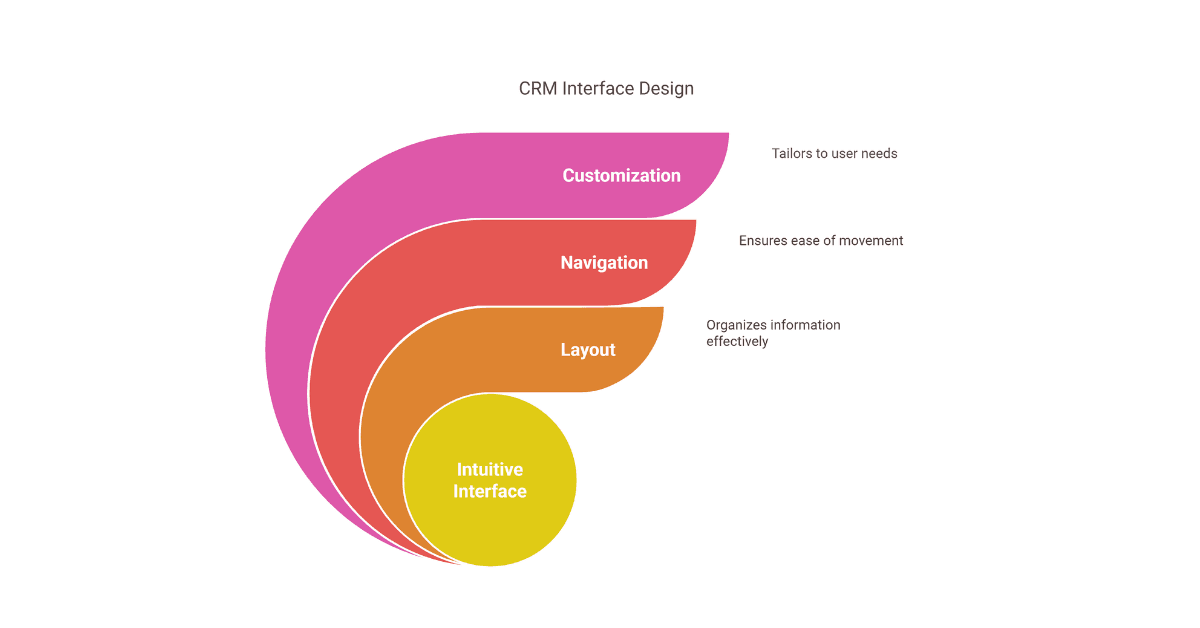
- Layout: A well-organized layout helps users find information quickly. Key features should be easily accessible without overwhelming the user.
- Navigation: Simple navigation ensures users can move through the platform with ease. Clear menus and logical structure are vital.
- Customization: The ability to customize the dashboard and features to fit specific needs enhances user satisfaction.
To illustrate, consider the following comparison of two CRM platforms based on interface design:
| Feature | Platform A | Platform B |
| Layout | Simple, uncluttered | Complex, busy |
| Navigation | Intuitive, few clicks | Confusing, many clicks |
| Customization | Highly customizable | Limited options |
Ease Of Use
Ease of use is crucial for any CRM platform, especially for teams with varying levels of technical expertise. A platform that is easy to use can significantly improve adoption rates and overall team productivity. Here are key elements that contribute to ease of use:
- Onboarding: A straightforward onboarding process helps new users understand the platform without much hassle.
- Support and Resources: Availability of tutorials, FAQs, and customer support can aid users in resolving issues promptly.
- Automation: Features that automate repetitive tasks reduce workload and increase efficiency.
Consider a scenario where two companies adopt different CRM platforms. Company X chooses a CRM with a user-friendly interface and extensive support resources. Company Y opts for a more complex system with limited guidance. After a month, Company X reports higher user satisfaction and productivity due to the ease of use. This example underscores the importance of choosing a CRM platform that prioritizes user experience.
Pricing Models
Choosing the right CRM platform for digital marketing automation means looking closely at the pricing models. These can vary from one provider to another and may affect your overall budget. Most platforms offer subscription plans, and many also include free trials. Each pricing option has its own advantages, depending on what your business needs and how much you’re willing to spend. Understanding these differences makes it easier to find the best fit for your goals.
Subscription Plans
It is the most common pricing model for CRM platforms to offer subscription plans. They are flexible and can be tailored to suit the needs of businesses of all sizes.
- Basic Plan: Includes essential features for small businesses or startups. Prices range from $10 to $50 per month.
- Standard Plan: Offers more advanced features for growing businesses. Prices range from $50 to $100 per month.
- Premium Plan: Designed for large businesses with extensive needs. Prices start at $100 per month.
Alternatively, some platforms offer annual payments. This can save up to 20% over monthly payments. Additionally, some CRMs have customizable plans, so businesses only pay for what they need. It is popular to subscribe to a plan because it provides predictable costs and continuous updates.
Free Trials
The free trial period usually lasts for 7 to 30 days. In this time, users are able to explore the features and interface without committing any money.
Here are some key benefits of free trials:
- Hands-On Experience: Helps users understand the platform’s usability.
- Feature Testing: Allows businesses to test specific features and integrations.
- Cost Evaluation: Helps determine if the platform offers good value for money.
Free trials often come with full access to all features. This provides a comprehensive view of what the platform can offer. Some CRM platforms may require credit card information, while others do not. It’s important to check if the trial automatically converts into a paid subscription.
These trials are crucial for making informed decisions. They allow businesses to assess if the CRM meets their digital marketing needs. Always take advantage of free trials before subscribing.
Industry-specific Solutions
Choosing the right CRM platform is vital for digital marketing automation. Not all businesses have the same needs. Industry-specific solutions provide tailored features and capabilities. They cater to unique requirements and challenges. This customization enhances efficiency and effectiveness. Let’s explore CRM platforms designed for e-commerce and service-based businesses.
E-commerce Focus
E-commerce businesses need CRM platforms that enhance online shopping experiences. These platforms offer features like customer segmentation, personalized email campaigns, and integration with e-commerce websites. This makes tracking customer behavior and purchase history easier.
Some CRM platforms for e-commerce include:
- Shopify CRM: Integrates seamlessly with Shopify stores. Provides tools for managing customer interactions and marketing campaigns.
- BigCommerce CRM: Offers features for tracking sales, managing customer data, and automating marketing tasks.
- Magento CRM: Allows deep customization. Integrates with Magento stores to provide tailored marketing solutions.
The following table highlights key features for e-commerce CRM platforms:
| Platform | Key Feature |
| Shopify CRM | Seamless integration with Shopify stores |
| BigCommerce CRM | Sales tracking and customer data management |
| Magento CRM | Deep customization for tailored solutions |
Service-based Businesses
Service-based businesses require CRM platforms that focus on client relationships and service delivery. These platforms offer features like appointment scheduling, invoicing, and client communication tools. This ensures streamlined operations and better customer satisfaction.
Popular CRM platforms for service-based businesses include:
- HubSpot CRM: Known for its robust client management and communication features. Perfect for small businesses offering services.
- Salesforce CRM: Offers advanced tools for managing client interactions and service delivery.
- Zoho CRM: Provides comprehensive features for service tracking and client relationship management.
Below is a table outlining key features for service-based CRM platforms:
| Platform | Key Feature |
| HubSpot CRM | Robust client management and communication tools |
| Salesforce CRM | Advanced client interaction and service delivery tools |
| Zoho CRM | Comprehensive service tracking and relationship management |
Customer Support
One crucial aspect of choosing the right CRM platform for digital marketing automation is customer support. The best CRM platforms have robust customer support systems that enable users to resolve issues quickly. A CRM platform’s support can make the difference between success and frustration.
Availability
Customer support availability is critical for a seamless experience. Most top CRM platforms offer various support channels. These include phone, email, and live chat. Some platforms even provide 24/7 support. This ensures that help is available anytime you need it.
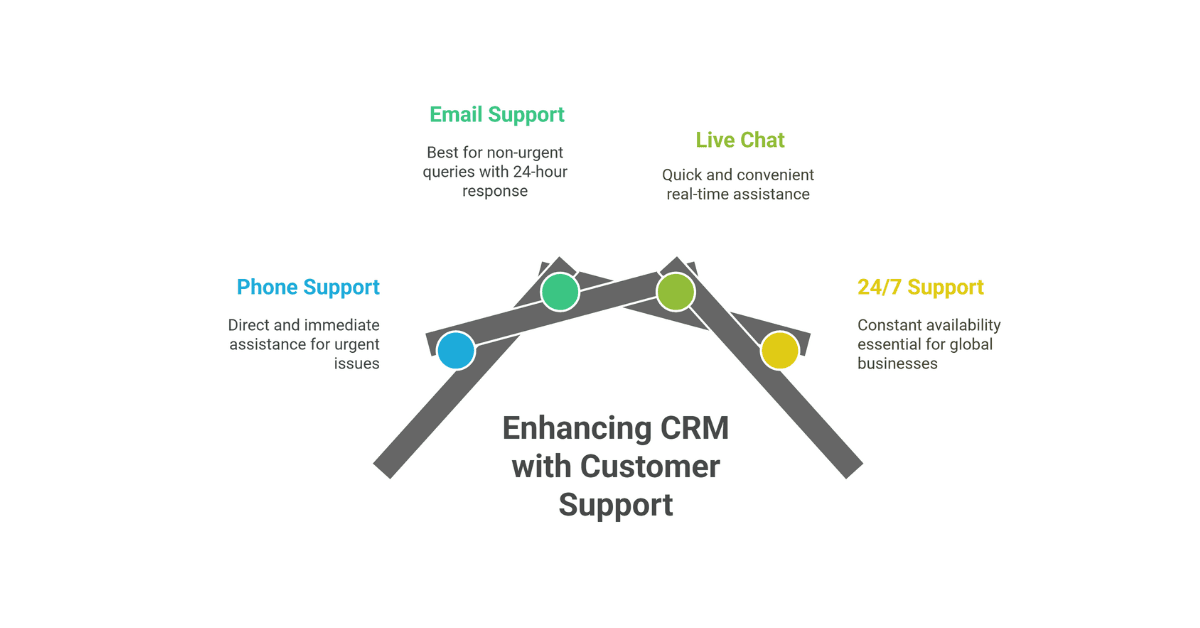
Here are some common support availability options:
- Phone Support: Direct and immediate. Perfect for urgent issues.
- Email Support: Best for non-urgent queries. Expect replies within 24 hours.
- Live Chat: Quick and convenient. Ideal for real-time assistance.
- 24/7 Support: Constant availability. Essential for global businesses.
A table summarizing support availability:
| Support Type | Availability |
| Phone | Business hours |
| 24/7 | |
| Live Chat | Business hours |
| 24/7 Support | Round the clock |
These options ensure that users can get help when needed. This minimizes downtime and keeps operations smooth.
Resources Provided
Resources provided by CRM platforms enhance user experience. They help users understand and utilize the tools effectively. Many platforms offer a range of resources to support their users.
Common resources include:
- Knowledge Base: Comprehensive articles and guides. Useful for self-learning.
- Video Tutorials: Visual and easy to follow. Perfect for step-by-step learning.
- Webinars: Interactive sessions. Provide in-depth insights and tips.
- User Forums: Community support. Users share experiences and solutions.
These resources empower users to solve problems independently. They also provide an opportunity to learn new features and best practices.
Having access to these resources can significantly enhance the user experience. It makes the process of digital marketing automation smoother and more efficient.
Case Studies
Taking a closer look at the best CRM platforms to automate digital marketing can be enlightening. Case studies illustrate how businesses optimize these platforms and showcase their practical applications. Marketers can gain insights into potential benefits and pitfalls by examining these. Let’s examine some success stories and their lessons.
Success Stories
Several businesses have successfully integrated CRM platforms with their digital marketing strategies. These success stories highlight the effectiveness of automation in marketing.
- Increased customer engagement by 30% within six months.
- Improved lead conversion rate by 25%.
- Reduced response time to customer inquiries by 50%.
Company A used a CRM to automate email marketing campaigns. This resulted in personalized content delivery. Their customers received relevant information based on their preferences. The automation freed up time for the marketing team to focus on creative strategies.
- Boosted sales by 40% in one year.
- Expanded customer base by 20%.
The data-driven approach led to a higher level of customer satisfaction and loyalty for Company B, which used CRM analytics to identify customer trends.
Lessons Learned
These case studies reveal valuable lessons for businesses.
- Customers respond positively to tailored content.
- Understanding customer preferences enhances engagement.
CRM platforms allow businesses to segment their audiences. This segmentation enables more effective targeting. Personalized marketing messages resonate better with recipients.
- Data-driven decisions lead to better results.
- Analyzing customer data reveals valuable insights.
Effective CRM use involves leveraging data analytics. Businesses can identify opportunities for improvement. This helps in fine-tuning marketing strategies for optimal outcomes.
- Automating repetitive tasks increases efficiency.
- Frees up resources for strategic planning.
Automation reduces the manual workload. It allows teams to focus on innovation. Implementing CRM platforms can significantly enhance productivity.
Future Trends
The world of digital marketing is rapidly evolving, and CRM platforms are at the forefront of this transformation. As businesses strive to enhance their marketing efforts, the integration of advanced technologies into CRM systems is crucial. The future trends in CRM platforms for digital marketing automation are set to reshape the landscape. From AI integration to addressing data privacy concerns, these trends will impact how marketers engage with customers and optimize their strategies.
Ai Integration
Artificial Intelligence (AI) is becoming a key component in CRM platforms. It offers unparalleled advantages in automating and personalizing marketing efforts. AI helps in analyzing huge amounts of data quickly, providing insights that were previously hard to attain. This leads to more targeted marketing strategies.
- Predictive Analysis: AI can forecast future customer behaviors based on past interactions.
- Chatbots: These automated tools handle customer queries, improving response times.
- Personalization: AI enables customized content delivery, enhancing customer engagement.
AI tools can simplify complex data analysis, making it accessible for marketers. These tools identify trends and patterns, allowing businesses to adapt strategies efficiently. With AI, CRM systems can offer recommendations tailored to individual customer needs. This personalization boosts customer satisfaction and loyalty.
AI integration is set to increase, making CRM platforms smarter and more efficient. As AI technology advances, CRM platforms will continue to evolve, providing marketers with more powerful tools.
Data Privacy Concerns
CRM platforms collect and store vast amounts of personal data, so protecting this information becomes increasingly important as digital marketing automation develops. Transparency and protection of customer data are increasingly demanded by customers.
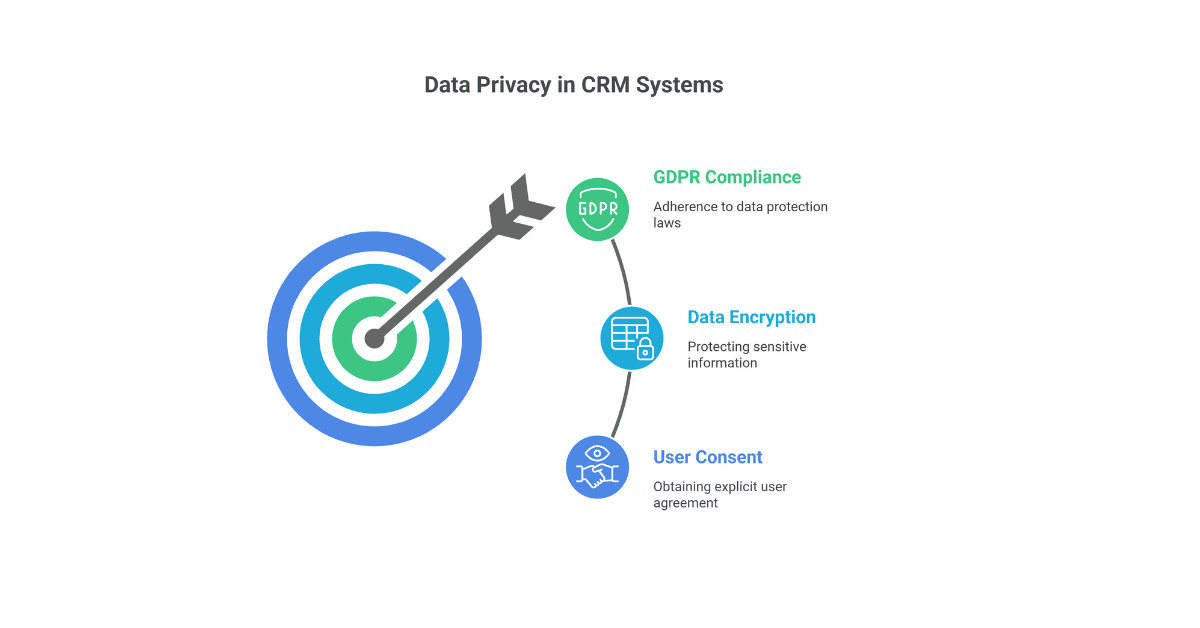
CRM platforms must adhere to strict data protection regulations to ensure compliance. Failure to do so can result in heavy penalties. Below are some important considerations:
- GDPR Compliance: Ensure the CRM system complies with data protection laws.
- Data Encryption: Use encryption to protect sensitive information.
- User Consent: Obtain explicit consent from users before collecting data.
CRM platforms should implement robust security measures to protect customer data. Regular audits and updates are essential to keep systems secure. Transparency in data handling practices builds trust with customers.
| Data Privacy Measure | Benefit |
| Encryption | Protects sensitive data from unauthorized access |
| Consent Management | Ensures legal compliance and builds trust |
| Regular Audits | Identifies vulnerabilities and enhances security |
Addressing data privacy concerns is not just about compliance. It’s about building a trusted relationship with customers. As data privacy regulations become stricter, CRM platforms must prioritize these concerns.
Conclusion
The right CRM can boost your digital marketing efforts. It offers automation, saving both time and effort. It helps manage customer interactions effectively. It is important to consider the budget and the needs of your business.
Test different options before committing. User-friendly interfaces are important for easy navigation. Integration with other tools is important for tracking progress. Keep your goals in mind while choosing. Growth and efficiency in digital marketing are supported by the right CRM.
Make an informed choice for success.