
Pay-Per-Click (PPC) advertising is a powerful online marketing tool that helps car dealerships quickly reach potential buyers who are actively searching for vehicles. With PPC, dealerships can appear at the top of search results and attract high-intent customers, driving more leads and sales.
A strong PPC strategy for car dealerships should focus on local targeting, leveraging different ad types across various platforms, and optimizing for mobile users and conversions. This includes using location-based keywords, implementing retargeting campaigns, and highlighting special offers.
Marketer Papa is a leading digital marketing agency based in Bangladesh that specializes in creating effective PPC campaigns tailored for car dealers. We understand the unique challenges car dealerships face in Bangladesh’s competitive market, and our targeted PPC strategies help dealerships stand out, increase showroom visits, and boost revenue.
What Is a PPC Campaign for Car Dealerships?
A PPC (Pay-Per-Click) campaign for car dealerships is a digital advertising strategy where dealerships pay a fee each time someone clicks on their online advertisements. These ads, often found on search engines like Google or Bing, allow dealerships to appear prominently when potential buyers search for cars. PPC ads also appear on social media platforms such as Facebook.
For example, if someone searches “buy car in austin texas” on Google, a car dealership’s ad can show at the top of the search results. When the user clicks the ad, they are taken to the dealership’s website or a special offer page. This helps dealerships reach customers who are actively looking to buy a car right now.
Key characteristics of PPC:
- Cost-effective: You pay only for actual clicks.
- Targeted: Reach specific audiences with chosen keywords.
- Measurable: Track performance with detailed analytics.
PPC can be a powerful tool for car dealerships. It can help attract potential buyers actively searching for vehicles. Understanding PPC basics is the first step in leveraging this tool.
How PPC Works
PPC works through a bidding system. Advertisers bid on keywords relevant to their business. When a user searches for those keywords, ads appear. The position of the ad depends on the bid amount and ad quality.
The process can be broken down into the following steps:
- Keyword Selection: Choose keywords related to your cars or services.
- Ad Creation: Write engaging ads. Include a compelling headline and description.
- Bidding: Set a maximum bid for each keyword.
- Ad Placement: Ads appear in search results or on websites.
- Click Payment: Pay only when someone clicks your ad.
PPC platforms provide analytics so you can see what ads are doing best. They allow you to adapt your ads to achieve better results. Car dealerships can greatly benefit from PPC. Sales opportunities can be significantly increased when the right audience is reached.
Benefits Pay Per Click Advertising For Car Dealers
PPC (Pay-Per-Click) advertising is a smart way for car dealerships to get noticed online. It helps your ads show up in front of people who are actively looking to buy a car. With PPC, you can reach the right audience, control your budget, and see real results fast. It brings more traffic to your website, more calls, and more visits to your showroom, all from people who are ready to buy.
This method can yield quick results. In this article, we will explore PPC advertising for car dealers and how it can enhance their online presence.
Increased Visibility
PPC advertising enhances your dealership’s visibility significantly. It places your ads prominently on search engine results pages. This positioning is crucial. It ensures that potential buyers see your dealership first.

Consider the following benefits of increased visibility through PPC:
- Top Placement: Your ads appear at the top of search results. This placement drives more clicks and engagement.
- Brand Awareness: Even if users don’t click, they notice your brand. This repeated exposure builds recognition.
- Local Presence: PPC can focus on local searches. This ensures you reach buyers near your dealership.
A table below illustrates the impact of increased visibility:
| Visibility Factor | Impact |
| Top Placement | Higher Click-Through Rates (CTR) |
| Brand Awareness | More Familiarity with Your Dealership |
| Local Presence | Increased Foot Traffic |
Targeted Reach
The advantage of PPC ads is that they can be targeted precisely. Ads can be tailored based on several factors, such as demographics, location, and browsing habits.
A few ways that PPC can reach targeted audiences are as follows:
- Demographic Targeting: Select your ideal customer’s age, gender, and interests with demographic targeting.
- Geographic Targeting: Make sure your ads reach potential buyers in local areas by targeting specific areas.
- Device Targeting: The ability to target ads for different devices ensures that the user’s experience is seamless, whether they are using a mobile device or a desktop computer.
These targeting options mean your ads are more relevant. This relevance leads to better engagement and conversions. It’s a powerful way to make the most of your advertising budget.
Keyword Strategies
It helps reach potential buyers quickly. The key to success in PPC advertising is to use effective keyword strategies. Keywords determine who sees your ads and how much you pay per click. By choosing the right keywords, you’ll increase your chances of converting clicks into sales. This section explains the differences between long-tail and short-tail keywords.
Choosing Keywords
You need keywords that match what people search for online to be successful with your PPC campaigns. Here are some tips to get you started:
- Think like a customer: Consider what words your customers use when searching for cars.
- Use specific terms: Instead of “cars,” try “2023 Honda Civic” or “used Toyota Camry.”
- Analyze competitors: Look at what keywords your competitors use. This can give you ideas.
- Consider location: If you serve a specific area, include your city or state. For example, “car dealership in Dallas”.
Here’s a simple table to illustrate the difference between broad and specific keywords:
| Broad Keywords | Specific Keywords |
| Cars | 2023 Honda Civic |
| Dealership | Toyota dealership in Dallas |
Long-tail Vs Short-tail
It is important to understand the difference between long-tail and short-tail keywords when planning a PPC campaign.
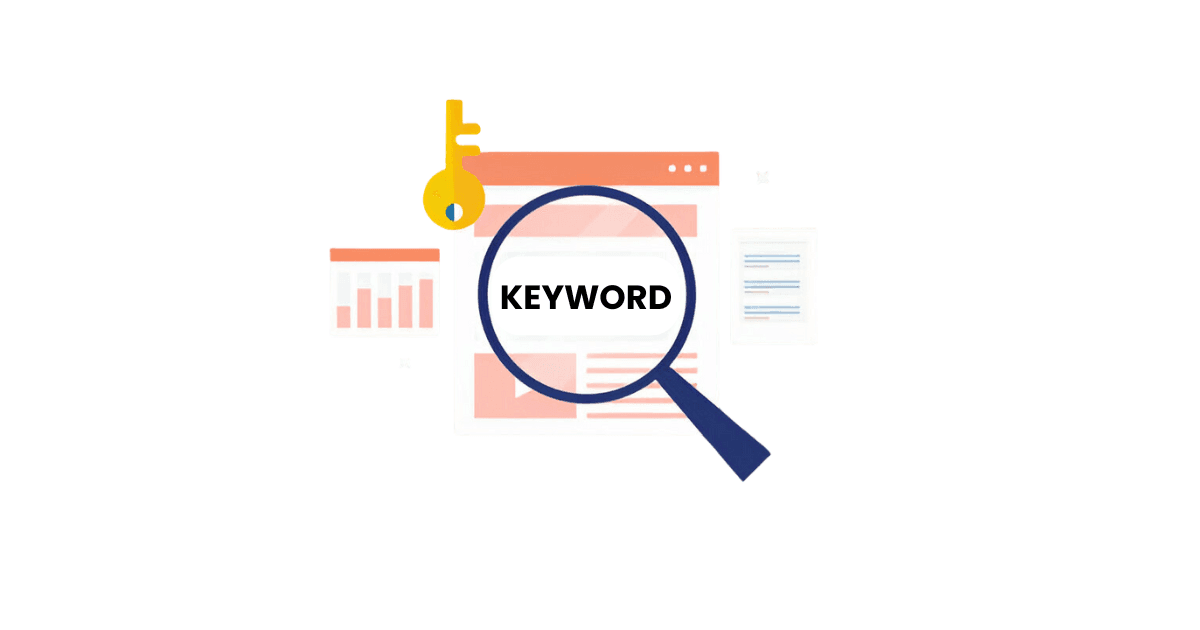
Short-tail keywords are usually one or two words. They are broad and have a high search volume. Examples include “cars” or “dealership.” While they attract many searches, they can be costly. They also bring in a diverse audience, which might not always be ready to buy.
Long-tail keywords are longer phrases. They are more specific and have lower search volume. Examples are “used Honda Civic 2023” or “affordable car dealership in Texas.” These keywords are often less competitive. They attract a more targeted audience who are closer to making a purchase.
Here’s a quick comparison:
- Short-tail: High volume, broad audience, more expensive.
- Long-tail: Low volume, targeted audience, cost-effective.
Long-tail keywords can be beneficial for car dealerships. They help reach buyers with specific needs. This increases the chance of turning clicks into sales. Choosing the right mix of short-tail and long-tail keywords can optimize your PPC efforts.
Auto Repair Shop Ads Formats
Pay-per-click (PPC) advertising has become a crucial tool for car dealerships and auto repair shops. It allows them to reach potential customers actively searching for services. Understanding the different ad formats can help auto repair shops effectively target their audience. This section will explore two key ad formats: Text Ads and Display Ads.
Text Ads
Text ads are simple yet powerful tools for auto repair shops. They appear in search engine results and help capture attention with concise information. These ads are text-based and typically include a headline, description, and URL.
- Cost-Effective: Pay only when someone clicks on the ad.
- Targeted Audience: Reach users searching for specific repair services.
- Flexibility: Easily update ad copy to match promotions or services.
| Component | Description |
| Headline | Grabs attention usually includes a keyword. |
| Description | Provides more detail about the service offered. |
| URL | Shows the landing page link. |
Text ads are effective because they match the user’s search intent. They can lead to higher conversion rates by directing customers to specific services.
Display Ads
Display ads are visual advertisements that appear across various websites. These ads are suitable for creating brand awareness and attracting new customers. They can include images, graphics, and videos.
- Visual Appeal: You can grab the attention of your audience with visual appeal.
- Brand Recognition: Build awareness through repeated exposure.
- Wide Reach: Appear on multiple websites, expanding audience reach.
| Format | Description |
| Static Ads | Single image without movement. |
| Animated Ads | Include moving elements to attract attention. |
| Video Ads | Short clips to engage viewers. |
Auto repair shops can reach a wider audience with display ads. These ads increase their chances of attracting customers who are not actively looking for services. This format allows businesses to showcase their offerings creatively.
Landing Page Optimization
Car dealerships often rely on Pay-Per-Click (PPC) advertising to reach potential customers. Landing page optimization plays a crucial role in converting clicks into sales. A well-designed landing page can significantly impact the success of a PPC campaign. Dealerships can ensure that visitors find relevant information quickly and easily by optimizing these pages. It guides users toward making a purchase decision and enhances their experience.
Creating Effective Pages
Creating effective landing pages involves several key elements. These pages should be visually appealing and easy to navigate. Essential information must be accessible without overwhelming the visitor. Here are some strategies:
- Clear Headlines: Use concise, attention-grabbing headlines that convey the page’s purpose immediately.
- Quality Images: Include high-quality images of vehicles to attract potential buyers.
- Relevant Content: Ensure the content matches the advertisement’s promise. If the ad mentions a special offer, it should be prominently displayed.
Consider using a table to showcase vehicle features:
| Feature | Details |
| Engine | V8 Turbo |
| Fuel Efficiency | 25 MPG |
| Warranty | 5 years/60,000 miles |
Call-to-action Strategies
Effective call-to-action (CTA) strategies are vital for converting page visitors into leads. A compelling CTA guides users towards the next step. It should be visible and persuasive. Here are some tips:
- Button Design: Use contrasting colors for CTA buttons to make them stand out.
- Action-Oriented Text: Phrases like “Schedule a Test Drive” or “Get Your Quote” encourage immediate action.
- Placement: Position CTAs where users naturally look, such as the top of the page or after key information.
The purpose of A/B testing is to determine which CTA converts best. Several versions of the CTA are created and then analyzed to determine which one performs better.
Consider using a numbered list for process clarity:
- Identify the primary goal of the landing page.
- Create several CTA versions with different text and design.
- Analyze user interactions with each version.
- Choose the most effective CTA based on data.
By refining CTA strategies, dealerships can increase conversions and maximize the return on their PPC investments.
How Much Does PPC Cost for Car Dealerships
The cost of PPC (Pay-Per-Click) advertising for car dealerships can be different depending on many things. Usually, you pay between $1 and $8 for each click on your ad. Some popular high-demand keywords might cost $30 or more. The final price depends on where you run your ads, how many competitors there are, and how good your ads are.
Setting A Budget
Creating a budget for PPC in the automotive sector requires careful planning. Start by understanding your dealership’s goals. Are you aiming to boost new car sales or focus on used inventory?
Consider these key factors:
- Average Cost Per Click (CPC): Research the average CPC for automotive keywords in your region. This helps in estimating the funds needed.
- Competition: Higher competition means higher costs. Check what your competitors are bidding on.
- Monthly Budget Cap: Decide how much you can afford to spend monthly without stretching resources.
To visualize this, use a simple table:
| Factor | Description |
| Average CPC | Estimated cost per click in your area. |
| Competition | Level of bidding by competitors. |
| Monthly Cap | Maximum spend for the month. |
Regularly review your budget. Adjust as needed based on performance data. This ensures you stay aligned with your dealership’s marketing goals.
Managing Costs
Managing costs in PPC advertising is essential for staying within budget. Start by monitoring your campaigns closely. Track which ads perform well and which don’t.
Here are some strategies to control costs:
- Keyword Optimization: Focus on high-performing keywords. Pause or remove underperforming ones.
- Ad Scheduling: Run ads during peak hours when potential buyers are most active.
- Geotargeting: Target ads to specific locations where your dealership can attract the most interest.
Consider using negative keywords. This prevents ads from showing for irrelevant searches. It helps in reducing unnecessary clicks and costs.
Set up alerts for budget thresholds. This warns you before overspending. Regular audits of your PPC campaigns can identify areas to cut back on spending. Optimize bids for better cost-efficiency.
By managing costs effectively, your dealership can maintain a healthy balance. This ensures a good return on investment from PPC advertising efforts.
How to Track and Measure PPC Results
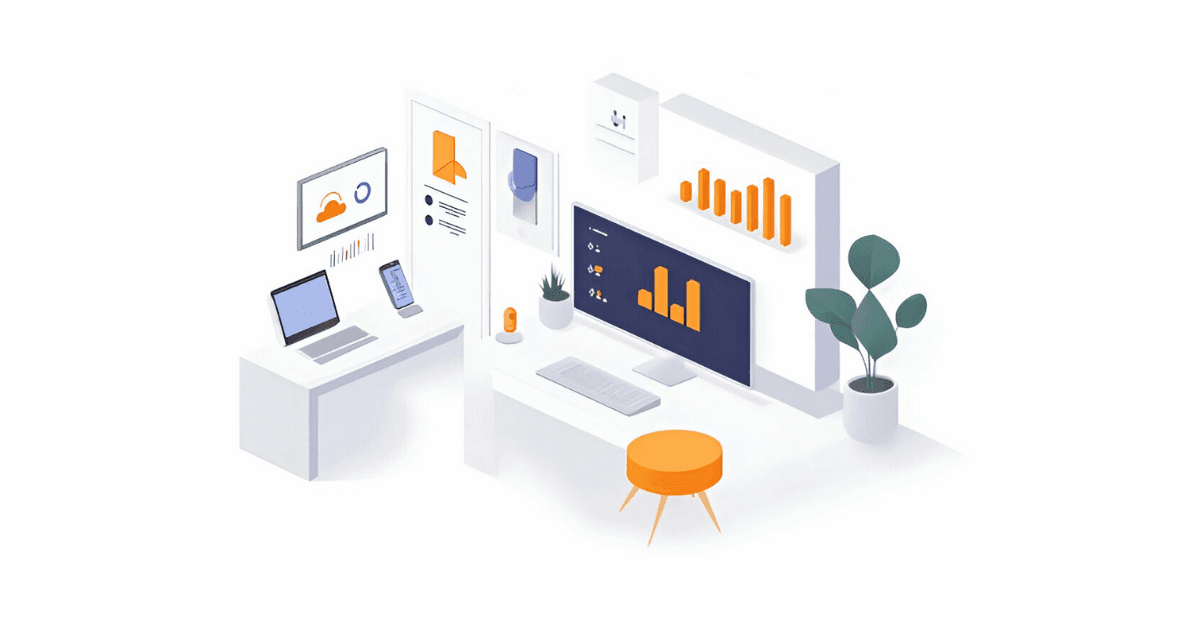
To track how well your PPC ads are doing, focus on important numbers like how many people click your ad (CTR), how many actually take action like calling or booking (conversion rate), how much each click costs (CPC), and how much you spend to get a customer (CPA). Also, look at how much money you earn compared to what you spend (ROAS). Using tools like Google Ads and Google Analytics helps you see these numbers clearly and improve your ads over time.
Key Metrics To Monitor
Monitoring the right metrics is essential for understanding PPC performance. These key metrics help determine the success of your campaigns:
- Click-Through Rate (CTR): This metric indicates how often people click on your ad after seeing it. A higher CTR means your ads are relevant and engaging.
- Conversion Rate: This shows the percentage of visitors who take the desired action, like filling a form or scheduling a test drive. A good conversion rate means your landing pages are effective.
- Cost Per Click (CPC): This measures the amount you pay for each click on your ad. Keeping CPC low while maintaining quality traffic is the goal.
- Quality Score: A score given by Google based on the quality and relevance of your ads, keywords, and landing page. A higher quality score can lead to lower costs and better ad positions.
- Return on Ad Spend (ROAS): This metric shows the revenue earned for every dollar spent on advertising. A higher ROAS indicates a successful campaign.
| Metric | Importance |
| Click-Through Rate (CTR) | Measures ad engagement |
| Conversion Rate | Measures effectiveness in driving actions |
| Cost Per Click (CPC) | Measures cost efficiency |
| Quality Score | Measures ad relevance |
| Return on Ad Spend (ROAS) | Measures revenue efficiency |
Using Google Analytics
Google Analytics is a powerful tool for tracking PPC performance. It provides deep insights into user behavior and campaign effectiveness.
First, make sure to set up goals in Google Analytics. This will help track conversions and understand which actions users are taking on your site. Common goals for car dealerships include form submissions, calls, and test drive bookings.
Next, use Google Analytics to analyze the traffic sources. This shows where your visitors are coming from and helps identify the most effective channels. You can also track the performance of different keywords and ad groups. This allows you to optimize your PPC strategy by focusing on high-performing keywords.
Google Analytics also provides data on user demographics. Knowing the age, gender, and location of your audience helps tailor your ads more precisely. Additionally, track the bounce rate and average session duration. These metrics show how engaging your landing page is and can highlight areas for improvement.
- Set up goals: Track specific user actions.
- Analyze traffic sources: Understand where visitors originate.
- Track keywords: Optimize based on performance.
- Know your audience: Use demographic data for targeted ads.
- Monitor engagement: Focus on bounce rate and session duration.
Common PPC Mistakes Car Dealerships Should Avoid
Car dealerships can avoid common PPC mistakes by choosing the right keywords, making sure their ads work well on mobile devices, and using helpful ad features like call buttons. It’s also important to track how many people take action, set a proper budget, and regularly check the campaign’s performance to keep improving.
Ignoring Negative Keywords
Negative keywords are crucial in PPC campaigns. They filter out irrelevant traffic. Without them, you pay for clicks that don’t convert. This wastes budget and skews data. Here are some consequences of ignoring negative keywords:
- Higher Costs: Irrelevant clicks increase spending.
- Lower Quality Scores: Poor relevance affects ad performance.
- Reduced ROI: Non-converting clicks decrease returns.
To manage negative keywords effectively:
- Identify terms that don’t align with your offerings.
- Regularly update your negative keyword list.
- Use tools to analyze search queries for patterns.
Consider setting up a table to track keywords:
| Keyword | Reason for Exclusion |
| Free car | No free offers |
| Car rental | Not offering rentals |
Poor Targeting
PPC campaigns require precise targeting. Many dealerships miss this mark, which leads to wasted clicks and poor conversion rates. Here’s what poor targeting entails:
- Broad Audience: Reaching too many uninterested users.
- Geographic Mismatches: Ads shown in irrelevant locations.
- Wrong Demographics: Targeting age groups not interested in buying cars.
To improve targeting:
- Define your ideal customer profile.
- Use geographic targeting to reach local buyers.
- Adjust demographic settings based on buyer behavior.
Consider a table for targeting options:
| Targeting Aspect | Recommended Strategy |
| Location | Focus on nearby cities |
| Age | 25-54 age group |
Final Thoughts
Dealers can adjust campaigns based on performance, ensuring that ads speak to the right audience. Budgets ensure cost-effectiveness. PPC offers precise targeting and measurable results.
Traffic from PPC will increase your chances of making sales. Use data to optimize your strategy. Improve your ad quality over time. Get in touch with interested customers. Boost visibility and attract more customers.
Find out how PPC can drive your dealership towards success. Discover its potential today.