
It is crucial to stand out when it comes to digital marketing. A technical SEO consultant can make a big difference.
A technical SEO strategy goes beyond basic strategies. There is a deep dive into website structure, crawling, indexing, and performance. Advanced technical SEO consulting provides expert guidance to tackle complex issues. This ensures your website ranks higher and performs better. Whether you have a large e-commerce site or a content-heavy blog, experts can identify hidden problems and optimize your site for peak performance.
The benefits of advanced technical SEO consulting include improved user experiences, faster load times, and improved search engine rankings. Getting your website running like a well-oiled machine starts with these experts.
Core Elements Of Advanced Technical SEO
Advanced technical SEO consulting involves a deep dive into your website’s technical setup to ensure it meets the highest standards for search engine performance. Advanced technical SEO can significantly improve your website’s visibility and rankings. Our discussion here focuses on the key components of advanced technical SEO.
Website Structure & Architecture Optimization
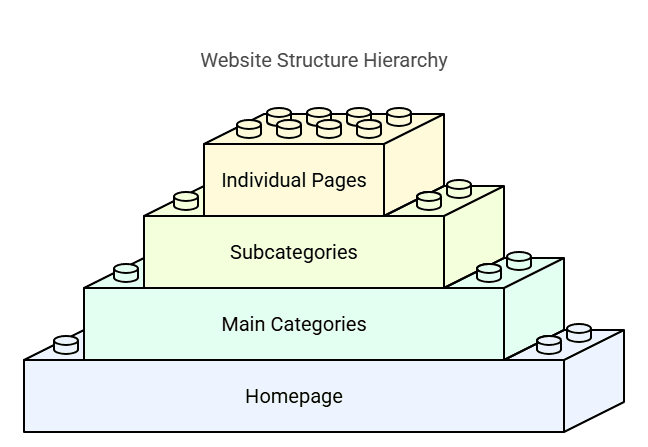
The structure and architecture of your website should be optimized for both user experience and search engine crawlers. A well-organized site ensures that users find what they need quickly, and search engines can index your pages efficiently.
Focus on the following elements:
- Logical Hierarchy: Structure your site with a clear hierarchy. Use categories and subcategories to organize content.
- Internal Linking: Utilize internal links to connect related content. This helps users navigate and search engines understand the relationship between pages.
- Breadcrumbs: Implement breadcrumb navigation. This aids users in tracking their location within your site.
Here’s a simple table to illustrate the hierarchy:
Mobile-first Indexing & Mobile SEO Best Practices
Mobile-first indexing means Google predominantly uses the mobile version of your content for indexing and ranking. Ensure your site is mobile-friendly by following these best practices:
- Responsive Design: Implement a responsive design that adapts to different screen sizes.
- Fast Loading Times: Optimize images and use a Content Delivery Network (CDN) to improve load times.
- Mobile Usability: Ensure buttons and links are easy to tap. Avoid using Flash.
Here’s a checklist for mobile optimization:
- Test your site with Google’s Mobile-Friendly Test tool.
- Use legible font sizes.
- Ensure touch elements are well-spaced.
- Optimize for local search with mobile users in mind.
Crawlability & Indexability
For your site to rank, search engines need to crawl and index your content. Improve crawlability and indexability by:
- Creating a Clean URL Structure: Use descriptive URLs with relevant keywords.
- Fixing Broken Links: Regularly check for and repair broken links.
- Using Canonical Tags: Prevent duplicate content issues by using canonical tags.
Here’s a simple checklist:
- Ensure your site has a clean and logical URL structure.
- Use the robots.txt file to control which pages are crawled.
- Submit an XML sitemap to Google Search Console.
Log File Analysis: Understanding Search Bot Behavior
Log file analysis provides insights into how search bots interact with your site. This data helps you optimize your crawling strategy.
Steps for effective log file analysis:
- Collect log files from your server.
- Analyze the data to identify which pages are being crawled.
- Identify crawl errors and fix them.
- Monitor the frequency of bot visits to optimize your content accordingly.
Use the insights from log files to:
- Identify frequently crawled pages and ensure they are optimized.
- Spot pages that are not being crawled and address the issues.
Optimizing Xml Sitemaps & Robots.txt For Better Visibility
XML sitemaps and robots.txt files are critical for guiding search engines through your site. Proper optimization ensures better visibility and indexing.
- Create an XML Sitemap: Include all important pages. Update it regularly.
- Optimize Robots.txt: Allow search engines to access your important pages. Block unnecessary ones.
- Submit to Search Engines: Submit your sitemap to Google Search Console and Bing Webmaster Tools.
Here’s an example of a basic robots.txt file:
User-agent:
Disallow: /private/
Allow: /public/
Sitemap: http://www.example.com/sitemap.xml
Ensure your XML sitemap is:
- Up-to-date and includes URLs you want indexed.
- Free of errors. Use tools to validate your sitemap.
Performance & Speed Optimization
A few techniques and considerations will help you speed up your site and increase its performance. Your search engine rankings improve when your site loads quickly.
Site Speed Optimization Techniques
Site speed is a significant factor in both user experience and search engine rankings. Here are several techniques to optimize your site’s speed:
- Minify CSS, JavaScript, and HTML: Remove unnecessary characters from code to reduce file size.
- Enable Compression: Use Gzip to compress files, which reduces the amount of data sent to the browser.
- Leverage Browser Caching: Store certain files locally in the user’s browser, reducing load times for repeat visitors.
- Reduce Redirects: Each redirect creates additional HTTP requests and increases load time.
- Optimize CSS Delivery: Ensure that CSS is loaded in a way that does not block rendering of the page.
Server & Hosting Considerations For SEO Performance
The server and hosting environment play a crucial role in your website’s speed and performance. Here are some key considerations:
- Choose a Reliable Hosting Provider: Opt for a provider known for uptime and speed.
- Use a Content Delivery Network (CDN): CDNs distribute your content across multiple servers worldwide, reducing load times for users in different locations.
- Enable HTTP/2: This protocol allows for faster data transfer between the server and the browser.
- Optimize Server Response Time: Aim for a server response time of under 200ms.
- Utilize a Dedicated or VPS Hosting Plan: Shared hosting can slow down your site; dedicated or VPS hosting offers better performance.
Here is a table summarizing some key server and hosting considerations:
| Consideration | Impact on SEO Performance |
| Reliable Hosting Provider | Ensures high uptime and speed |
| Content Delivery Network (CDN) | Reduces load times globally |
| HTTP/2 Protocol | Faster data transfer |
| Server Response Time | Should be under 200ms |
| Dedicated/VPS Hosting | Better performance than shared hosting |
Image & Video SEO: Compression, CDN And Optimization
Images and videos can significantly affect your site’s load time. Optimizing them is essential for fixing technical SEO issues:
- Compress Images: Use tools like TinyPNG or JPEG-Optimizer to reduce image file sizes without compromising quality.
- Use Responsive Images: Serve different image sizes based on the user’s device to improve load times.
- Leverage a CDN for Media: Distribute images and videos through a CDN to reduce server load and improve speed.
- Optimize Video Content: Use formats like MP4 and tools like HandBrake to compress video files.
- Lazy Loading: Delay loading images and videos until they are needed, reducing initial load time.
Here is a quick checklist for image and video optimization:
- Compress all images before uploading.
- Use responsive images for different devices.
- Implement a CDN for faster media delivery.
- Compress video files to reduce size.
- Implement lazy loading for media content.
Advanced On-page SEO Enhancements
The goal of Advanced Technical SEO Consulting is to make your website search engine friendly. Advanced On-Page SEO Enhancements target specific elements on your site. With these enhancements, search engines will be able to understand and index your content more effectively.
Meta Tags, Titles, And Descriptions Optimization For SEO
Meta tags, titles, and descriptions play a crucial role in SEO on page optimization. They provide search engines with information about your page content. Effective optimization of these elements can improve your website’s visibility and click-through rates.
Consider the following tips for optimizing meta tags, titles, and descriptions:
- Title Tags: Keep titles under 60 characters. Include primary keywords at the beginning.
- Meta Descriptions: Write compelling descriptions. Keep them under 160 characters. Use relevant keywords naturally.
- Meta Keywords: Though less important today, still include 3-5 relevant keywords.
Here is a table summarizing best practices:
| Element | Character Limit | Importance |
| Title Tag | 60 | High |
| Meta Description | 160 | Medium |
| Meta Keywords | Varies | Low |
URL Structure Best Practices
Page optimization is affected by URL structure. Well-structured URLs help search engines understand your content. Additionally, it enhances the user experience.
Follow these URL structure best practices:
- Keep URLs Short: Use concise URLs. Aim for 3-5 words.
- Use Hyphens: Separate words with hyphens, not underscores.
- Include Keywords: Add relevant keywords to the URL.
- Avoid Special Characters: Use alphanumeric characters. Avoid symbols and punctuation marks.
Here is an example of a well-structured URL:
https://www.example.com/seo-on-page-optimization-tips
Internal Linking Strategies For Better Crawlability
Internal linking is essential for SEO on page optimization. It helps search engines crawl and index your site. It also distributes link equity across pages.
Effective internal linking strategies include:
- Use Descriptive Anchor Text: Use meaningful anchor text. Avoid generic phrases like “click here.”
- Link to Relevant Pages: Ensure links are relevant to the content.
- Limit Links Per Page: Avoid over-linking. Use a maximum of 100 links per page.
Internal linking enhances user navigation. It also helps search engines understand your site structure.
Handling Redirects & 404s: Fixing Broken Links & Avoiding Redirect Chains
Handling redirects and 404s is vital for SEO on page optimization. Broken links and redirect chains can harm your site’s performance.
Here are some best practices:
- Fix Broken Links: Regularly check for broken links. Use tools like Google Search Console.
- Use 301 Redirects: Use 301 redirects for permanent changes. This passes link equity to the new page.
- Avoid Redirect Chains: Ensure redirects point directly to the final URL. Avoid multiple hops.
- Custom 404 Pages: Create user-friendly 404 pages. Provide helpful links and a search bar.
Structured Data & Schema Markup
Optimizing your website requires structured data and schema markup. The content on your pages is better understood by search engines thanks to them. As a result, you will be able to see the visibility and performance of the site in search engine results. A detailed look at schema markup and how structured data can create rich snippets.
What Is Schema Markup And Why Does It Matter?
Schema markup is a form of microdata that you add to your website’s HTML. It helps search engines understand the content on your pages. Think of it as a language that search engines speak. When you use schema markup, you provide context to search engines about your content. This can lead to better search rankings and improved visibility.
There are various types of schema markup you can use, such as:
- Product Schema
- Review Schema
- Event Schema
- Article Schema
Each type of schema markup serves a different purpose. For example, product schema helps search engines understand information about a product. The review schema provides details about customer reviews.
Schema markup matters because:
- Improves Search Visibility: Enhanced understanding of your content can lead to better rankings.
- Generates Rich Snippets: Adds more detail to your search results, making them more attractive.
- Enhances User Experience: Provides users with more information directly in search results.
Structured Data For Rich Snippets
A structured data format is a standardized way of providing information about a page and categorizing its content. Using structured data enables search engines to create rich snippets. A rich snippet is an enhanced search result that displays extra information.
Examples of rich snippets include:
- Star ratings for reviews
- Event dates and locations
- Product prices and availability
- Recipe cooking times
Rich snippets can use various types of schema markup to structure their data. A table showing some common schema types can be found here:
| Schema Type | Purpose |
| Review | Displays star ratings and review counts |
| Event | Shows event dates and locations |
| Product | Displays prices, availability, and product details |
| Recipe | Shows cooking times and ingredients |
Using structured data for rich snippets can lead to:
- Higher Click-Through Rates: Attractive snippets draw more clicks.
- Better User Engagement: Users find relevant information quickly.
- Improved SEO Performance: Detailed snippets can boost rankings.
Technical SEO Audits & Best Practices
Technical SEO Audits & Best Practices ensure your site is search engine optimized. Your site may not rank well due to issues identified in these audits. Here are some best practices to help you fix these issues and improve the performance of your site.
Common Technical SEO Issues And Fixes
Technical SEO Audits often reveal common issues that can hurt your website’s performance. Fixing these issues is crucial for better rankings. Here are some common problems and their fixes:
- Broken Links: Broken links can frustrate users and harm SEO. Use tools to find and fix broken links.
- Duplicate Content: Duplicate content confuses search engines. Ensure each page has unique content.
- Slow Loading Times: Slow pages can lead to high bounce rates. Optimize images and use a CDN to speed up load times.
- Missing Alt Text: Alt text helps search engines understand images. Add descriptive alt text to all images.
- Incorrect Redirects: Incorrect redirects can mislead users and search engines. Ensure 301 redirects are correctly set.
| Issue | Fix |
| Broken Links | Use tools to identify and fix broken links. |
| Duplicate Content | Create unique content for each page. |
| Slow Loading Times | Optimize images and use a CDN. |
| Missing Alt Text | Add descriptive alt text to images. |
| Incorrect Redirects | Ensure 301 redirects are set correctly. |
Using SEO Tools For Advanced Technical Audits
Using SEO tools can make technical SEO audits more efficient. Here are some tools a technical seo audits consultant might use:
- Google Search Console: This tool helps monitor your site’s performance. It can identify crawl errors and security issues.
- SEMrush: SEMrush provides insights into your website’s health. It can find technical SEO issues and suggest fixes.
- Ahrefs: Ahrefs offers a site audit tool. It can help find broken links, slow pages, and other technical issues.
- Screaming Frog: This tool crawls your website like a search engine. It identifies technical issues and provides detailed reports.
- GTmetrix: GTmetrix analyzes your site’s speed. It offers suggestions to improve loading times.
These tools are essential for performing thorough technical SEO audits. They help identify issues that might be overlooked. A technical seo audits consultant can use these tools to ensure your website is optimized for search engines.

Security & Https Implementation
A key aspect of this is the implementation of HTTPS and SSL certificates. They not only protect your website and its users, but they also play a key role in its SEO performance.
Importance Of Ssl & Https For SEO
SSL (Secure Sockets Layer) and HTTPS (Hypertext Transfer Protocol Secure) are essential for any website aiming for top rankings. Search engines like Google prioritize secure websites. This means if your site doesn’t have HTTPS, it might rank lower.
Here are key reasons why SSL and HTTPS are important for SEO:
- Improved Rankings: Google uses HTTPS as a ranking signal.
- Trust and Credibility: Users trust websites with HTTPS. It shows that their data is safe.
- Data Integrity: HTTPS ensures that data sent between the user and the website remains private and unaltered.
Here’s a simple comparison of HTTP vs. HTTPS:
| Aspect | HTTP | HTTPS |
| Security | Not secure | Secure |
| SEO Impact | Negative | Positive |
| Trust | Low | High |
Secure Hosting & Data Protection
Secure hosting is another critical aspect of technical SEO solutions. Your hosting provider should offer robust security features to protect your website from attacks and data breaches. A secure hosting environment ensures that your website remains accessible and trustworthy.
Consider these factors when evaluating secure hosting:
- Regular Backups: Ensure your hosting provider offers regular backups. This protects your data in case of an attack.
- Firewall Protection: Firewalls help block malicious traffic and prevent unauthorized access.
- SSL Support: Your hosting provider should support SSL certificates and make it easy to implement HTTPS.
- DDoS Protection: Distributed Denial of Service (DDoS) attacks can bring your site down. Choose a host that provides DDoS protection.
Data protection is equally important. Secure hosting helps keep user data safe from hackers. Here’s what to look for:
- Encryption: Ensure data is encrypted during transmission and storage.
- Access Controls: Limit access to sensitive data to authorized personnel only.
- Compliance: Your hosting provider should comply with data protection regulations like GDPR.
Content Optimization For Technical SEO
One crucial aspect of this is Content Optimization for Technical SEO. This process ensures that your content aligns with search engine guidelines and user expectations, ultimately boosting your site’s ranking.
Conducting Content Audits & Pruning Low-quality Pages
In order to maintain a healthy website, regular content audits are essential. These audits identify low-quality pages which can harm your search engine optimization efforts. Start by analyzing page performance using tools such as Google Analytics.
Here are some steps to conduct an effective content audit:
- Compile a list of all your website’s pages.
- Analyze metrics such as traffic, engagement, and conversion rates.
- Identify pages with outdated or thin content.
- Remove or update low-quality pages to improve overall site quality.
This process also helps search engines crawl your site more efficiently, leading to better rankings. Pruning low-quality pages streamlines your site’s structure and improves user experience. Regularly reviewing and updating your content is one of the best technical SEO tips.
Pagination & Infinite Scroll Best Practices
Proper pagination and infinite scroll implementation are crucial for user experience and SEO. Pagination helps break down long content into manageable sections, while infinite scroll allows continuous content loading as users scroll down the page.
For pagination, follow these best practices:
- Use rel=”next” and rel=”prev” tags to indicate the relationship between pages.
- Create clear and concise pagination links.
- Ensure paginated content is accessible and indexable by search engines.
For infinite scroll, consider these tips:
- Implement a load more button to give users control over content loading.
- Ensure that content loaded via infinite scroll can be indexed by search engines.
- Provide unique URLs for different sections of the infinite scroll content.
Balancing pagination and infinite scroll can enhance user experience while maintaining SEO integrity. These practices are among the top technical SEO tips to ensure your content is both user-friendly and search engine optimized.
Managing Duplicate Content & Canonical Tags
Duplicate content can confuse search engines and dilute your site’s ranking potential. Managing duplicate content effectively is vital for maintaining a strong SEO presence. One effective strategy is using canonical tags to indicate the preferred version of a webpage.
Here are some steps to manage duplicate content:
- Identify duplicate content using tools like Screaming Frog or Siteliner.
- Use canonical tags to point to the original source of the content.
- Consolidate similar pages into one comprehensive page.
- Avoid publishing identical content across multiple pages.
By managing duplicate content and using canonical tags, you can ensure your site maintains its SEO health and provides a better user experience. This process is a key aspect of advanced technical SEO consulting and is essential for achieving optimal search engine rankings.
Measuring & Improving SEO Performance
Measuring and improving SEO performance is a key part of this process. By tracking the right metrics, analyzing data, and making adjustments, you can improve your website’s visibility.
SEO Kpi Tracking & Reporting
Tracking and reporting on SEO KPIs (Key Performance Indicators) is essential for understanding how well your SEO strategies are working. KPIs help you measure the success of your SEO efforts and identify areas for improvement.
Here are some important SEO KPIs to track:
- Organic Traffic: The number of visitors who come to your site through search engines.
- Keyword Rankings: The positions of your targeted keywords in search engine results pages (SERPs).
- Backlinks: The number and quality of external websites linking to your site.
- Conversion Rate: The percentage of visitors who complete a desired action, such as making a purchase or signing up for a newsletter.
- Bounce Rate: The percentage of visitors who leave your site after viewing only one page.
Google Search Console & Analytics Insights
Google Search Console and Google Analytics are powerful tools for monitoring your website’s SEO performance. They provide crucial insights that help you understand how users interact with your site and how search engines view it.
Google Search Console:
- Monitor indexing status and optimize visibility of your site.
- Identify and fix website errors, such as crawl errors and broken links.
- Analyze search queries and understand which keywords drive traffic.
- Check mobile usability and ensure your site is mobile-friendly.
Google Analytics:
- Track user behavior and interactions on your site.
- Measure the performance of different traffic sources, such as organic, direct, and referral.
- Analyze user demographics and interests to tailor your content strategy.
- Set up goals and track conversions to measure the success of your SEO improvements.
How To Continuously Optimize For Algorithm Updates
Search engine algorithms are constantly evolving. To maintain and improve your website’s SEO performance, it’s important to stay updated with these changes and continuously optimize your content.
Here are some tips to help you adapt to algorithm updates:
- Stay Informed: Follow reputable SEO blogs, forums, and industry news to stay updated on algorithm changes.
- Conduct Regular Audits: Perform regular SEO audits to identify and fix issues that may affect your rankings.
- Focus on Quality Content: Create high-quality, relevant, and engaging content that provides value to your audience.
- Improve User Experience: Ensure your site is fast, mobile-friendly, and easy to navigate.
- Build Strong Backlinks: Focus on acquiring high-quality, relevant backlinks from authoritative sites.
- Analyze Competitors: Keep an eye on your competitors’ SEO strategies and adapt your approach accordingly.
Choosing The Right Advanced Technical SEO Consultant
The right Advanced Technical SEO Consultant can make a significant difference in the performance of your website. They understand how search engines work and how technical aspects of a website affect its performance. To help you choose the right consultant for your business, we explore the following factors.

Industry-specific Technical SEO Expertise
When choosing an advanced technical SEO consultant, industry-specific expertise is vital. A consultant who understands the unique challenges and opportunities within your industry can provide more effective solutions. They know which keywords and strategies will work best for your niche.
Consider the following:
- Experience: How many years have they worked in your industry?
- Case Studies: Do they have success stories from similar businesses?
- Knowledge: Are they familiar with industry-specific tools and platforms?
For example, an e-commerce website requires different SEO strategies compared to a news website. An experienced consultant will tailor their approach to your specific needs. They will optimize your site structure, improve crawlability, and ensure fast loading times.
How To Evaluate An SEO Consultant’s Performance
Evaluating an SEO consultant’s performance is essential to ensure they deliver results. Here are some metrics and methods to consider:
- Website Traffic: Monitor changes in organic traffic.
- Keyword Rankings: Track the rankings of targeted keywords.
- Backlink Profile: Assess the quality and quantity of backlinks.
- Technical Audits: Regularly review site audits for improvements.
| Metric | Current Value | Previous Value | Change |
| Organic Traffic | 1500 visits | 1200 visits | +25% |
| Keyword Rankings | 15 keywords in top 10 | 10 keywords in top 10 | +5 |
Hire Marketer Papa for Advanced Technical SEO
At Marketer Papa, we specialize in Advanced Technical SEO Consulting. Our team has extensive experience across various industries, ensuring that we understand your unique needs. We provide customized strategies and solutions to improve your website’s performance.
Why choose Marketer Papa?
- Proven Track Record: Our case studies show significant improvements in organic traffic and keyword rankings.
- Industry Expertise: From e-commerce to healthcare, we have the knowledge and experience.
- Comprehensive Reports: We provide detailed, easy-to-understand reports so you can track progress.
- Dedicated Support: Our team is always available to answer your questions and provide guidance.
Ready to take your website to the next level? Contact Marketer Papa today for advanced technical seo a complete guide and consultation. We are here to help you succeed.
Conclusion
A technical SEO consultant can improve your website’s visibility. You can attract more organic traffic with expert guidance. You can resolve technical issues efficiently. You can improve user experience and search engine ranking. Keep up with the competitive digital landscape by investing in skilled consultants.
Ensure your website reaches its full potential. Maximize your online presence today.